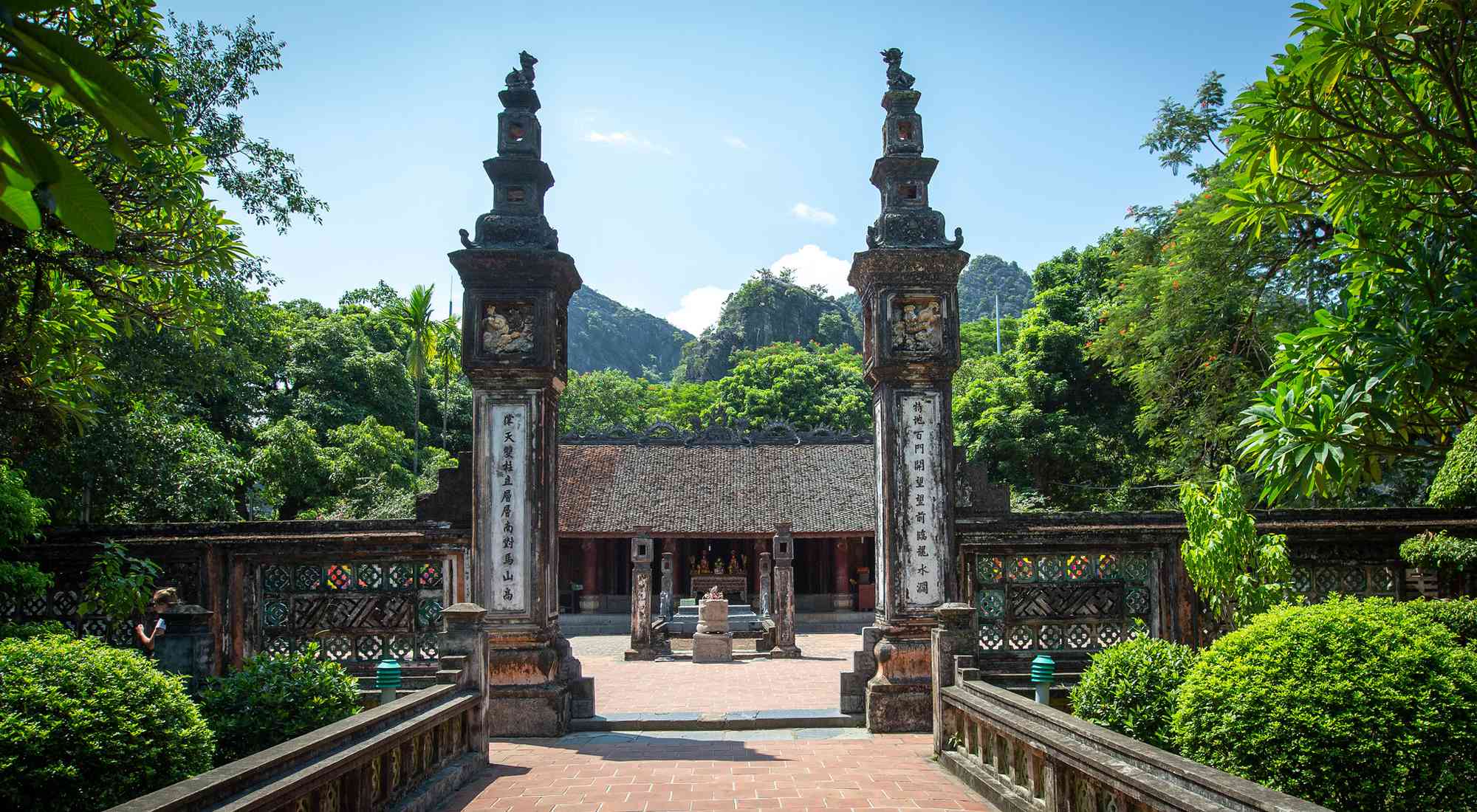
Hoa Lu Ancient Capital
15 min drive
This former capital provides historical context to the region and is situated close enough to reach for a late lunch or early dinner.

Ninh Bình's cuisine mirrors its landscape—earthy, resourceful, and shaped by limestone karsts and river valleys. The province's signature dishes rely on ingredients that thrive in its wetlands and terraced fields: burnt rice crust scraped from clay pots, free-range goat raised on mountain slopes, and freshwater eel pulled from the Hoàng Long River. This guide maps the specialties, explains where they come from, and identifies the village kitchens and markets where you'll find them prepared the way locals expect.
Quick answer
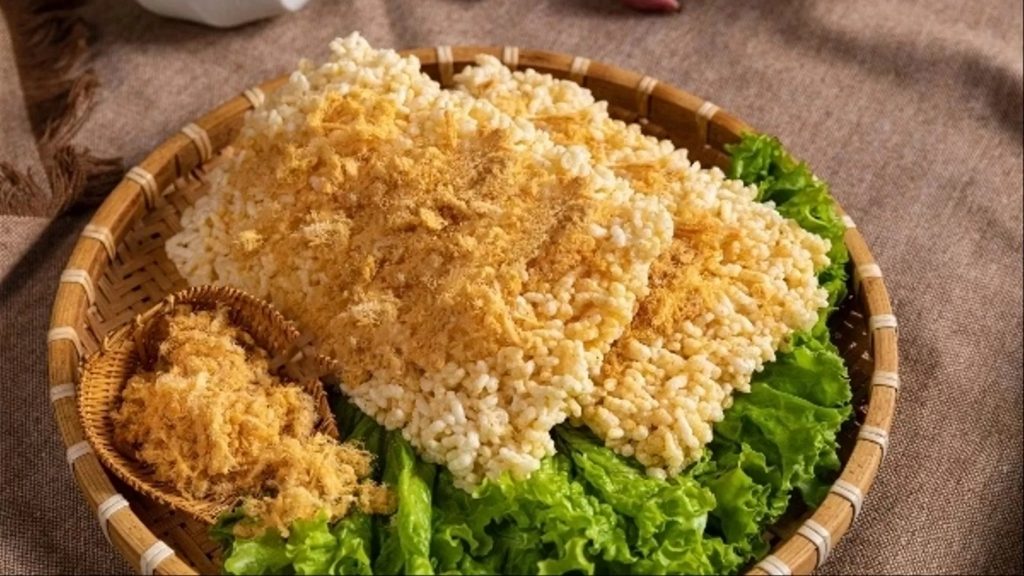
Ninh Bình's defining dishes are cơm cháy (burnt rice crust served with grilled goat), dê núi (mountain goat curry or stir-fry), lươn (eel prepared in turmeric or fermented rice), and thịt trâu (water buffalo dried or stewed). These dishes appear on menus across Tam Cốc, Tràng An, and Hoa Lư, but the most consistent versions are found in family-run restaurants near the boat docks and in Ninh Bình city's Bến Đình market area.
Ninh Bình's food culture developed in isolation. The province sits two hours south of Hanoi, but its limestone geography and lack of major trade routes kept its cuisine local and distinct. What travelers encounter here is not a derivative of northern Vietnamese cooking but a parallel tradition built around scarcity, ingenuity, and the specific crops and livestock the karst terrain supports. The burnt rice crust—cơm cháy—is the dish most visitors associate with what to eat in Ninh Bình. It begins as the caramelized layer at the bottom of a clay pot, scraped off in shards and fried until brittle. Restaurants serve it with grilled goat, but the pairing is strategic: goat fat softens the rice, and the rice tempers the gaminess of the meat. The goat itself is raised on wild grasses that grow on karst slopes, giving the meat a leaner, more mineral flavor than lowland goat. Vendors in Tam Cốc and along the road to Tràng An roast whole legs over charcoal, and the scent marks the district's restaurant rows. Eel dishes vary by preparation. Some kitchens braise it in turmeric and dill, a method common in the Red River Delta. Others ferment the eel with rice, garlic, and galangal—a technique specific to Ninh Bình that produces a pungent, vinegary broth. The fermented version, lươn om chua, is harder to find and typically requires advance notice at smaller restaurants near Vân Long Nature Reserve. Water buffalo appears dried (thịt trâu khô), shredded into a jerky-like texture that holds up in humid kitchants, or slow-cooked in ginger and lemongrass. Beyond the flagship dishes, Ninh Bình's markets reveal the everyday diet: snails harvested from rice paddies, river shrimp, pumpkin flowers, and a local variety of spinach called rau ngót. Bến Đình market in Ninh Bình city operates from early morning and remains the most reliable place to see produce and proteins before they reach restaurant kitchens. Village restaurants around Tràng An and Tam Cốc post daily specials based on what's available that morning, so menus shift with the season and the catch. The food here rewards patience. Portions are modest, flavors are direct, and presentation is utilitarian. What to eat in Ninh Bình is less about spectacle and more about ingredients handled with regional logic—burnt rice because fuel was scarce, goat because it survives on poor soil, eel because the rivers provided it. Understanding that context makes the meal coherent.
“What travelers encounter here is not a derivative of northern Vietnamese cooking but a parallel tradition built around scarcity, ingenuity, and the specific crops and livestock the karst terrain supports.”
Dining options near the Trang An Scenic Landscape Complex primarily feature traditional Ninh Binh specialties in restaurants located along the main access roads. Venturing slightly further toward Hoa Lu provides additional opportunities to sample regional dishes in more quiet settings.
restaurant
Located a short drive from the Trang An entrance, this venue specializes in goat meat dishes like grilled goat and goat hotpot. It is a common stop for groups looking for traditional local cuisine.
restaurant
Situated closer to the Hoa Lu area, this restaurant serves scorched rice (com chay) paired with savory dipping sauces and goat meat preparations. It offers a quieter environment than the eateries directly at the complex gate.
street
Various stalls positioned along the approach to the Trang An docks offer scorched rice snacks and local snacks for quick consumption. These are ideal for those who prefer casual, handheld food before or after a boat tour.
The Trang An Scenic Landscape Complex requires a single conservation fee for all visitors. This fee covers the mandatory boat tour of the complex.
Verdict: A typical adult pays 300,000 VND, which serves as the conservation fee and includes the required boat tour.
The Trang An Scenic Landscape Complex operates on a consistent daily schedule throughout the week.
Combining a meal in the Trang An area with nearby historical and geological sites allows for a balanced day of exploration. These locations are positioned to serve as logical stops before or after your dining experience.
15 min drive
This former capital provides historical context to the region and is situated close enough to reach for a late lunch or early dinner.
20 min drive
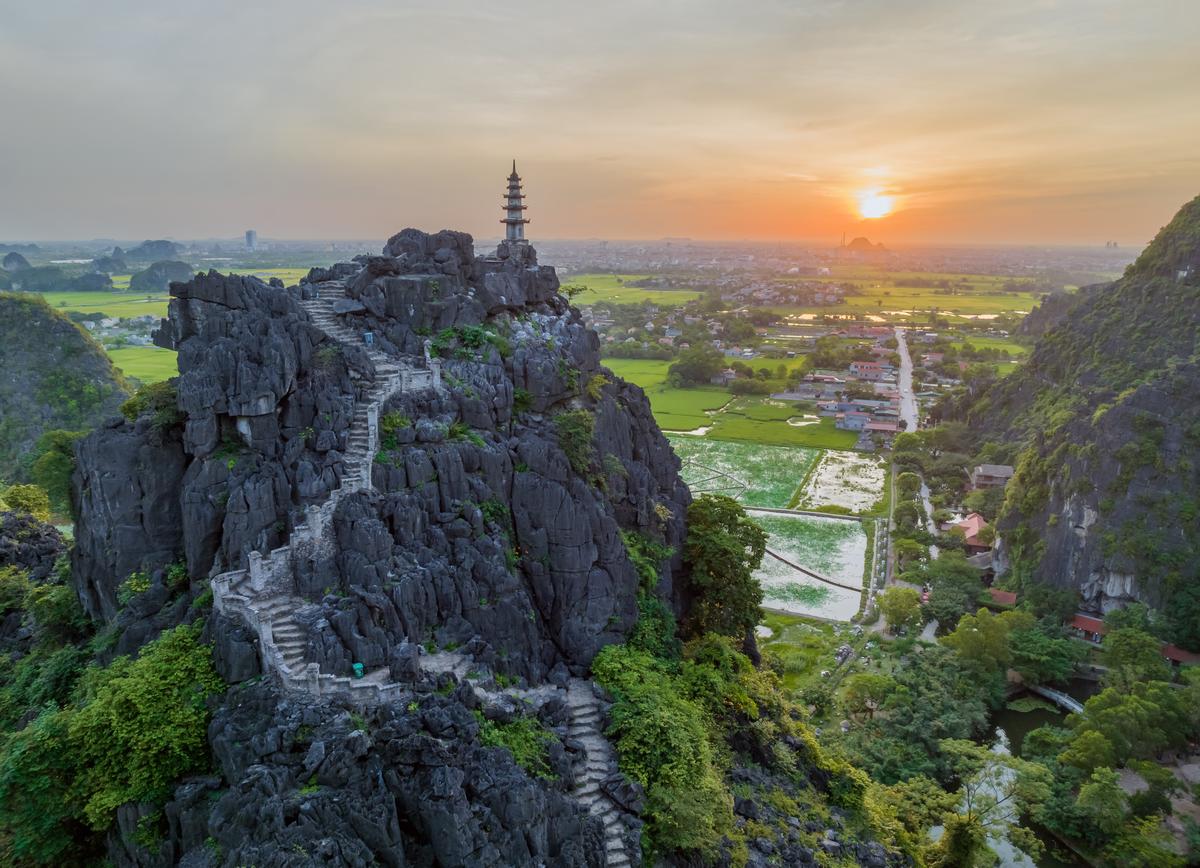
Known for its climb and views, this site is best paired with a meal to restore energy after completing the steps.
25 min drive
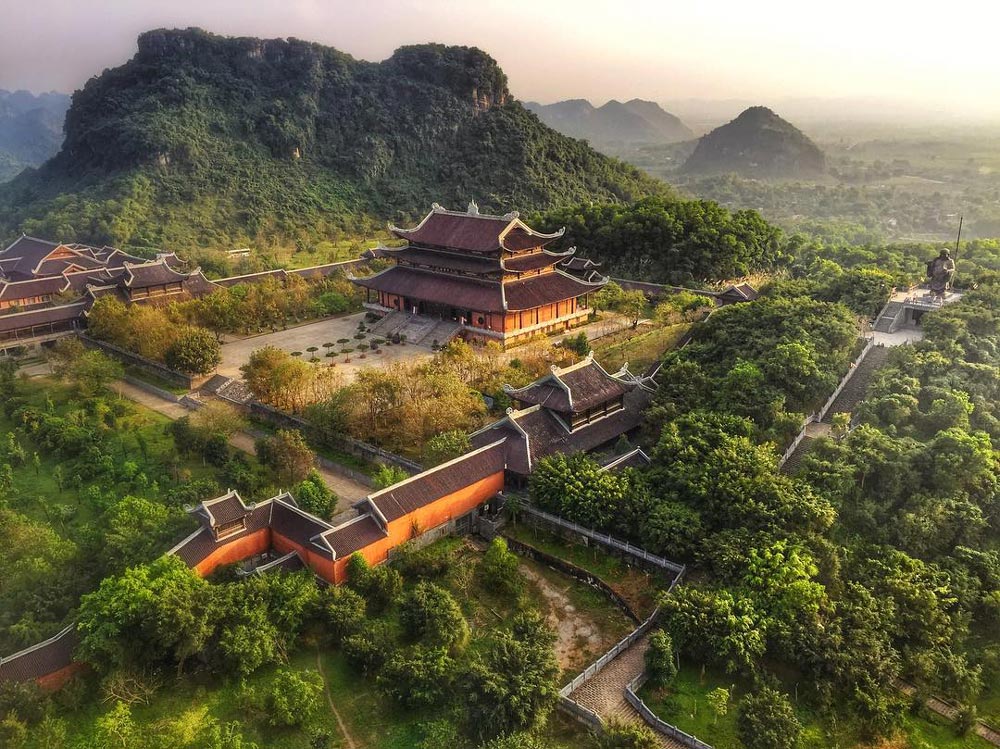
As one of the largest temple complexes in the region, it complements a morning visit to Trang An followed by a relaxing regional meal.
Everything you need to know about what to eat in ninh binh
When considering what to eat in Ninh Binh, local goat meat and scorched rice, or com chay, are iconic dishes to try. These specialties are widely available at eateries surrounding the limestone karst landscape.
Yes, several restaurants operate near the entrance, offering authentic regional cuisine. Searching for what to eat in Ninh Binh near the complex often leads visitors to these dedicated local dining spots.
The best arrival window is 07:00–09:30, which helps avoid midday heat and the largest tourist crowds. Arriving early allows for a more serene experience navigating the river and caves.
The entrance fee is 300,000 VND per person, which includes the boat tour conservation fee. This cost covers access to the waterways and protected areas within the complex.
Yes, many guided excursions include stops where you can discover what to eat in Ninh Binh, such as local mountain snails or fermented pork rolls. These tours often feature authentic culinary stops integrated into the itinerary.
It is generally recommended to eat after your boat trip so you can enjoy the landscape without feeling rushed. This approach allows you to fully experience the natural beauty before seeking out what to eat in Ninh Binh.
The site is open daily from 07:00–17:00, including weekends. Visitors should plan their arrival within the morning window to make the most of these operational hours.
Most restaurants near the complex are family-friendly and offer a variety of rice-based dishes that appeal to younger travelers. Ensure you verify the menu at individual locations for specific dietary preferences.